
Ultimate Guide to Choosing the Right HVAC System: Expert Advice for Southeast Michigan Homeowners and Businesses
Choosing the right HVAC system is crucial for maintaining comfort in your home or business, especially in the variable climate of Southeast Michigan. This comprehensive guide will help you navigate the complexities of HVAC systems, ensuring you make an informed decision tailored to your specific needs. From understanding the different types of HVAC systems to evaluating energy efficiency ratings, this article covers essential aspects that every homeowner and business owner should consider. Many individuals struggle with selecting the right system due to the overwhelming options available. This guide provides clear solutions and expert advice to simplify your decision-making process. We will explore the main types of HVAC systems, how to determine the right size for your space, energy efficiency ratings, the installation process, maintenance tips, and the latest smart technologies that enhance comfort.
What Are the Main Types of HVAC Systems and How Do They Compare?
When selecting an HVAC system, understanding the various types available is essential. The main types of HVAC systems include furnaces, heat pumps, boilers, ductless mini-splits, and geothermal systems. Each system has unique functionalities and efficiencies that cater to different needs and preferences.
How Do Furnaces, Heat Pumps, and Boilers Differ in Function and Efficiency?
Furnaces, heat pumps, and boilers are the most common heating systems. Furnaces generate heat by burning fuel, while heat pumps transfer heat from outside to inside, making them more energy-efficient in moderate climates. Boilers use hot water or steam to heat spaces, providing consistent warmth. Each system’s efficiency is measured by its Annual Fuel Utilization Efficiency (AFUE) rating, with higher ratings indicating better energy use.
What Are the Benefits of Ductless Mini-Splits and Geothermal Systems for Michigan Properties?
Ductless mini-splits offer flexibility and energy efficiency, allowing for zoned heating and cooling without the need for ductwork. They are particularly beneficial for homes without existing ducts. Geothermal systems utilize the earth’s stable temperature to provide heating and cooling, resulting in significant energy savings and lower utility bills. Both systems are excellent choices for Michigan properties, especially in areas with extreme temperature fluctuations.
Research specifically highlights the growing adoption and benefits of these advanced systems in the region.
Michigan Home Geothermal & Mini-Split Heating
it was discovered that all of them had installed single ductless minisplit ASHPs, but that the in Michigan for WaterFurnace Int., Inc., a leading manufacturer of geothermal heating & Advancing beneficial electrification: the role of dual fuel home heating systems in cold climates, 2020
How Do You Determine the Right HVAC System Size for Your Home or Business?
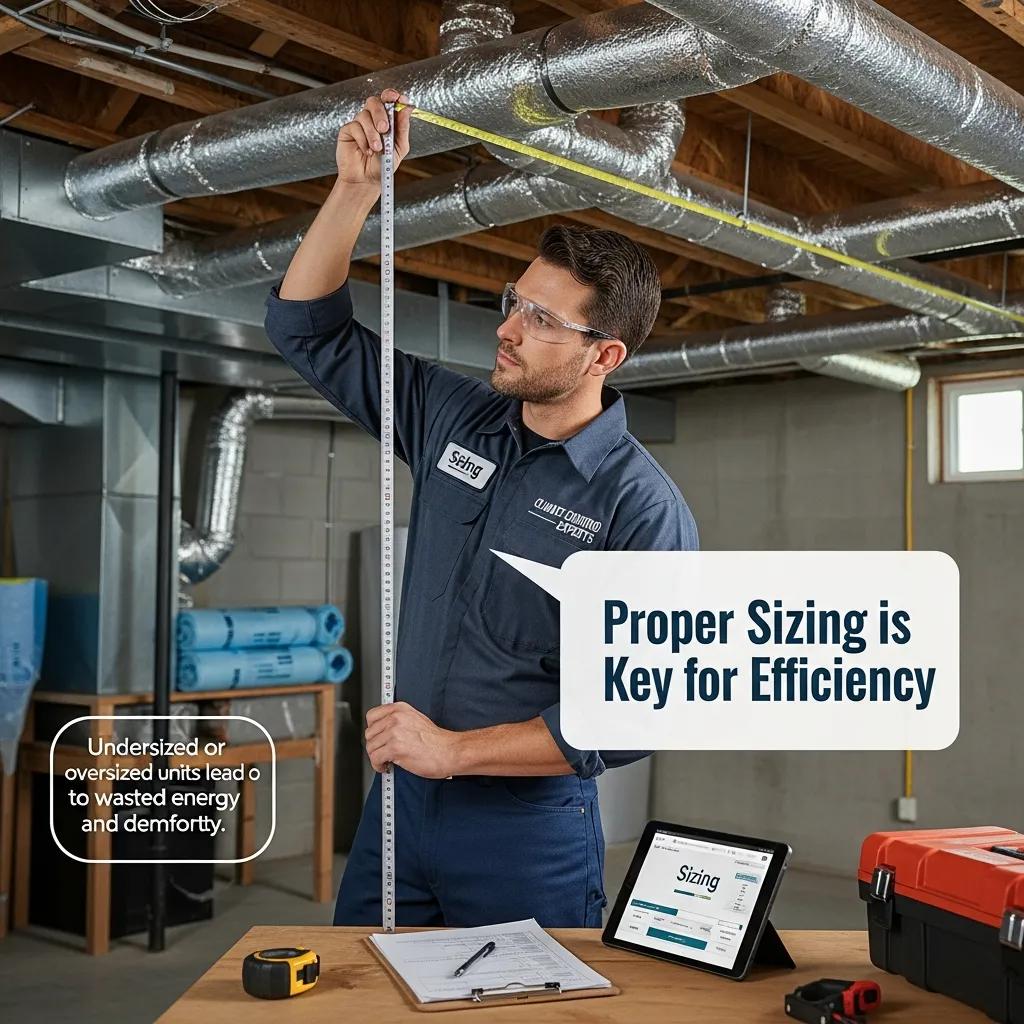
Choosing the correct size for your HVAC system is critical to ensure optimal performance and energy efficiency. An oversized or undersized system can lead to increased energy costs and discomfort.
What Is Manual J Calculation and Why Is It Essential for Proper Sizing?
Manual J calculation is a standardized method used to determine the heating and cooling needs of a building. This calculation considers factors such as the size of the space, insulation levels, and local climate conditions. Proper sizing ensures that the HVAC system operates efficiently, providing comfort without excessive energy consumption.
Which Factors Affect HVAC Sizing in Southeast Michigan’s Climate?
Several factors influence HVAC sizing in Southeast Michigan, including local climate, building orientation, and insulation quality. The region experiences cold winters and warm summers, necessitating a system that can handle both extremes. Additionally, local building codes may dictate specific requirements for HVAC installations, further impacting sizing decisions.
What Energy Efficiency Ratings Should You Consider When Choosing an HVAC System?
Energy efficiency ratings are crucial when selecting an HVAC system, as they directly impact operating costs and environmental sustainability. Key ratings to consider include SEER (Seasonal Energy Efficiency Ratio), HSPF (Heating Seasonal Performance Factor), EER (Energy Efficiency Ratio), and AFUE.
Understanding these ratings is part of a broader effort to implement best practices for energy efficiency in HVAC systems.
HVAC Energy Efficiency Best Practices Review
This paper reviews the status and current trends of energy consumption associated with HVAC systems with the aim of interrogating energy efficiency practices for improving HVAC systems in buildings. Improving energy efficiency of HVAC systems in buildings: a review of best practices, 2022
How Do SEER, HSPF, EER, and AFUE Ratings Impact Performance and Savings?
SEER and EER ratings measure cooling efficiency, while HSPF measures heating efficiency. Higher ratings indicate better energy performance, leading to lower utility bills. AFUE ratings specifically apply to heating systems, with higher percentages reflecting more efficient fuel usage. Understanding these ratings helps consumers make informed choices that align with their budget and environmental goals.
| Rating Type | Description | Impact on Performance |
|---|---|---|
| SEER | Measures cooling efficiency | Higher SEER = lower cooling costs |
| HSPF | Measures heating efficiency | Higher HSPF = lower heating costs |
| EER | Measures efficiency at peak load | Higher EER = better performance in high demand |
| AFUE | Measures fuel efficiency in heating | Higher AFUE = more efficient fuel use |
This table illustrates how energy efficiency ratings can significantly influence both performance and cost savings, making them essential considerations in your HVAC selection process.
What Local Rebates and Energy Star Certifications Are Available in Michigan?
In Michigan, homeowners can take advantage of various local rebates and Energy Star certifications that promote energy-efficient HVAC systems. These incentives can significantly reduce the upfront costs of purchasing and installing a new system. Programs may vary by utility provider, so it’s advisable to check with local energy companies and the Database of State Incentives for Renewables & Efficiency (DSIRE) for specific offerings and eligibility requirements.
Further demonstrating Michigan’s commitment to energy efficiency, detailed modeling studies are conducted to identify opportunities for improvement in local buildings.
Michigan Building HVAC Energy Efficiency Modeling
Energy modeling tools have been extensively used for analyzing building performance as well as for assessing energy efficiency opportunities. The present research has a twofold aim: (1) to model the natural gas consumption and the total electricity consumption of a 12600 sq. ft. public library building in Houghton, MI, and (2) to identify any opportunities to improve energy efficiency.
Energy Modeling and Energy Efficiency Opportunities for a Public Library Building in the Upper Peninsula of Michigan, S Mehendale, 2021
What Does the Professional HVAC Installation Process Involve?
A professional HVAC installation is a critical step in ensuring your system operates efficiently and effectively. Understanding the installation process can help you set expectations and prepare adequately.
What Should You Expect During Installation and Pre-Installation Assessments?
During installation, technicians will conduct a thorough assessment of your space, including ductwork evaluation and system placement. They will also ensure that all components are correctly installed and calibrated for optimal performance. Expect the installation process to take several hours to a full day, depending on the complexity of the system.
How Do Local Permits, Ductwork, and Licensed Technicians Affect Installation Quality?
Local permits are often required for HVAC installations to ensure compliance with building codes and safety standards. Proper ductwork design is crucial for system efficiency, as poorly designed ducts can lead to energy loss and uneven heating or cooling. Hiring licensed technicians guarantees that the installation meets industry standards, providing peace of mind and long-term reliability.
How Can Regular Maintenance Extend the Life and Efficiency of Your HVAC System?
Regular maintenance is essential for prolonging the lifespan and efficiency of your HVAC system. Neglecting maintenance can lead to costly repairs and reduced performance over time.
What DIY Maintenance Steps Can Homeowners Perform Safely?
Homeowners can perform several simple maintenance tasks, such as changing air filters regularly (typically every 1-3 months), cleaning vents, and checking for any visible signs of wear or damage. These actions can help maintain system efficiency and improve indoor air quality.
What Are the Benefits of Professional Tune-Ups and Maintenance Plans?
Professional tune-ups provide comprehensive inspections and adjustments that ensure your HVAC system operates at peak performance. Maintenance plans often include regular check-ups, priority service, and discounts on repairs, making them a cost-effective way to safeguard your investment.
How Do Smart HVAC Technologies and Indoor Air Quality Solutions Enhance Comfort?

Smart HVAC technologies are revolutionizing how we manage indoor climate control. These innovations not only enhance comfort but also improve energy efficiency and indoor air quality.
What Are the Advantages of Smart Thermostats and Home Integration?
Smart thermostats allow homeowners to control their HVAC systems remotely, optimizing energy use based on occupancy patterns. Integration with home automation systems enables seamless control of heating, cooling, and ventilation, enhancing overall comfort and convenience.
How Do Air Filtration, Humidity Control, and Ventilation Improve Indoor Air Quality?
Effective air filtration systems remove pollutants and allergens from the air, while humidity control helps maintain optimal moisture levels, preventing mold growth and improving comfort. Proper ventilation ensures a continuous supply of fresh air, further enhancing indoor air quality and overall health.
In conclusion, selecting the right HVAC system involves understanding the various types available, determining the appropriate size, evaluating energy efficiency ratings, and ensuring proper installation and maintenance. By considering these factors, homeowners and businesses in Southeast Michigan can make informed decisions that enhance comfort and efficiency. For personalized advice and consultations, consider reaching out to local HVAC professionals like Motown Heating, Cooling, Refrigeration Inc., who can provide tailored solutions to meet your specific needs.